
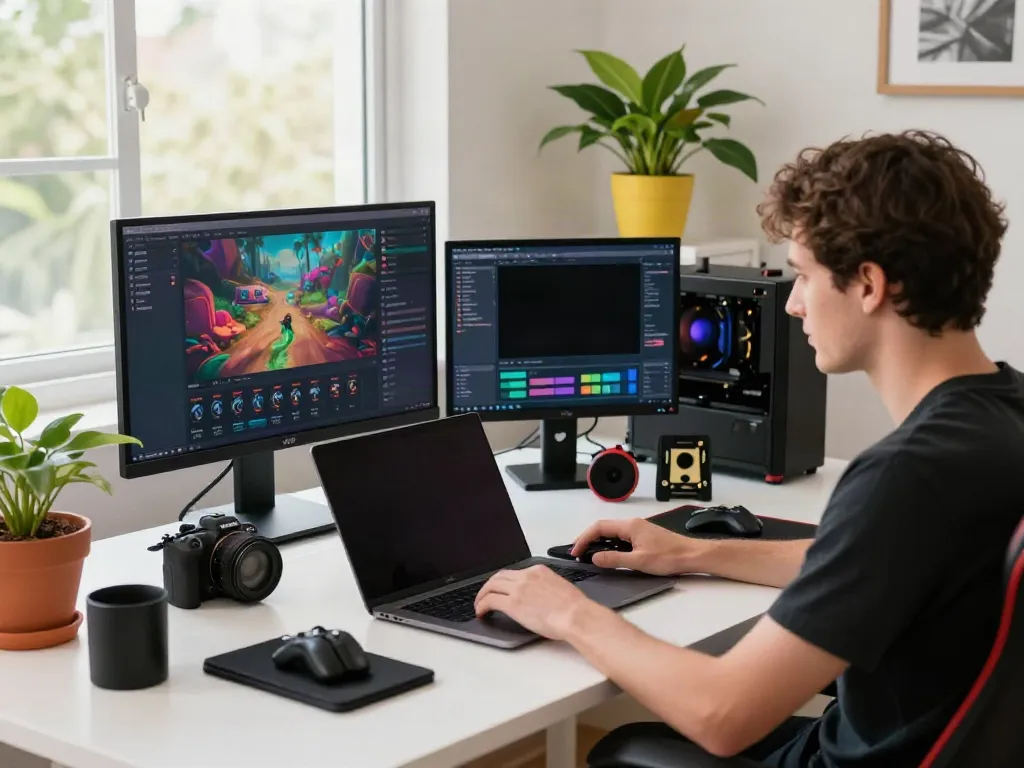
Understanding the Creative Process Behind Gaming
The world of gaming isn't just about the final product that players experience; it encompasses a rich tapestry of creativity, innovation, and technological advancement. Game development is a multifaceted journey driven by a combination of inspiration, technology, and an understanding of player psychology. As we dive into this captivating industry, it's essential to explore what fuels game developers, the role technology plays in crafting immersive experiences, and how trends shape the gaming landscape.
By examining the creative processes involved, we can better appreciate the complexities of game creation. When exploring options, rokok88 link provides comprehensive insights into these dynamics, helping to clarify the industry's nuances.
What Inspires Game Development?
Inspiration for game development can come from various sources, ranging from literature and film to personal experiences and historical events. Developers often draw upon their interests and passions to create unique worlds and narratives. For instance, many popular games take cues from mythologies or cultural tales, weaving familiar themes into innovative gameplay mechanics.
Moreover, trends in popular culture, including the rise of esports and streaming platforms, play a significant role in shaping what types of games become popular. This synergy between various forms of media further enriches the gaming experience, making it more relatable and engaging for players.
The Role of Technology in Gaming
Technology serves as the backbone of game development, influencing everything from graphics to gameplay mechanics. Advances in graphics processing units (GPUs), artificial intelligence (AI), and virtual reality (VR) have transformed the possibilities in gaming. Developers now have the tools to create breathtaking environments and lifelike characters that draw players into immersive worlds.
For instance, the adoption of AI has allowed for more sophisticated non-player character (NPC) behavior, enhancing the realism and richness of the player's experience. As technology continues to evolve, the gaming industry is at the forefront of exploring new ways to engage audiences.
Analyzing Trends in the Gaming Industry
Staying ahead in the gaming industry requires an awareness of current and emerging trends. The rise of mobile gaming, for instance, has made gaming more accessible to a broader audience, creating new opportunities for developers. Additionally, the integration of social media platforms has transformed how games are marketed and how communities are built around them.
Another important trend is the increased focus on inclusivity and diversity in gaming, prompting developers to create more varied character representations and storylines that resonate with diverse audiences. This shift is not just a marketing strategy but a necessary evolution to reflect the global community of gamers.
Exploring Game Design and User Experience
Game design is more than just creating visual elements; it involves a deep understanding of user experience (UX). The best games are those that manage to balance creativity and usability, ensuring players feel engaged and challenged without becoming frustrated. Let's delve deeper into the principles that guide effective game design.
Essential Design Principles for Game Creators
Effective game design hinges on several key principles, including clarity, consistency, and engagement. Clarity involves ensuring that players can quickly understand the game mechanics and objectives. Consistency helps players feel more comfortable within the game world, while engagement keeps them coming back for more.
Moreover, incorporating playtesting into the design process is vital. Gathering feedback from real players allows developers to notice potential issues and make necessary adjustments before the official release, enhancing overall user experience.
How User Feedback Shapes Game Development
User feedback is an invaluable resource for game developers. As players interact with the game, their reactions can provide insights into what works and what doesn’t. Games often undergo several iterations based on player feedback before reaching their final form.
Developers can utilize platforms like forums and social media to engage directly with players, encouraging them to share their thoughts and experiences. This collaborative approach not only improves the game but also builds a community around it, fostering loyalty and enthusiasm.
Creating Immersive Worlds in Gaming
Immersion is a key aspect of game design, allowing players to feel like they are a part of the game world. Developers achieve this through detailed environments, compelling stories, and dynamic gameplay. Techniques such as environmental storytelling, where the world itself conveys narrative elements, enhance immersion and engagement.
By integrating sound design, visual effects, and interactive elements, developers can create experiences that resonate deeply with players, making each session memorable.
Innovative Strategies for Engaging Gamers
In today’s competitive gaming landscape, developers must employ innovative strategies to attract and retain players. Understanding how to build and nurture a community around games is crucial for long-term success.
Utilizing Social Media for Community Building
Social media platforms offer game developers an unprecedented way to connect with their audience. By leveraging platforms like Twitter, Instagram, and TikTok, developers can share updates, behind-the-scenes content, and engage directly with fans.
Creating engaging content and collaborating with influencers can significantly boost a game's visibility. Developers can host live streams, Q&A sessions, and gaming events to build excitement and foster a sense of community among players.
Effective Marketing Techniques for Game Releases
Marketing a game is just as important as the development process itself. Employing effective marketing techniques such as targeted advertising, engaging trailers, and unique promotional events can create anticipation and drive sales.
Moreover, utilizing analytics tools to monitor player interest and engagement can guide marketing strategies, ensuring they resonate with the target audience.
Leveraging Influencer Partnerships
Influencer marketing has become a powerful tool in the gaming industry. Partnering with popular streamers and content creators allows developers to reach wider audiences more effectively. These influencers can showcase gameplay, discuss features, and generate buzz around the game's release.
By choosing influencers who align with their brand values, developers can authentically promote their games while tapping into established fanbases.
Challenges in the Gaming Industry
While the gaming industry is filled with opportunities, it also faces numerous challenges that developers must navigate. Understanding these challenges is essential for future success.
Identifying Common Pitfalls for Developers
Common pitfalls in game development include underestimating project timelines, failing to prioritize user testing, and neglecting marketing strategies. Developers should establish clear deadlines, incorporate testing phases, and allocate resources to marketing to mitigate these risks.
Furthermore, maintaining open lines of communication within development teams can prevent misunderstandings and help ensure everyone is aligned with the project goals.
Maintaining Ethical Standards in Gaming
As the industry grows, the importance of maintaining ethical standards becomes paramount. Developers must be mindful of issues such as loot boxes, microtransactions, and data privacy. Establishing clear guidelines and practices to protect players is essential to foster trust and loyalty.
Moreover, being transparent about game mechanics and monetization strategies can help maintain a positive relationship with players.
Adapting to Rapid Industry Changes
The gaming industry is constantly evolving, with new technologies, platforms, and consumer preferences emerging regularly. Developers must remain agile and open to change to stay competitive.
Investing in continuous education and training for development teams can ensure they are equipped with the latest skills needed to adapt swiftly to these changes, keeping their projects relevant and successful.
Future Trends and Predictions for Gaming in 2026
As we look to the future, several trends are poised to shape the gaming landscape in 2026. Understanding these potential developments can help industry players strategize effectively.
The Impact of Virtual Reality and Augmented Reality
Virtual Reality (VR) and Augmented Reality (AR) are set to transform how players interact with games. As technology advances, we can expect to see more immersive and realistic gaming experiences that blur the line between the digital and physical worlds. Developers who embrace VR and AR technologies will likely lead the charge in creating groundbreaking experiences.
Exploring AI and Machine Learning in Game Design
Artificial Intelligence and machine learning will increasingly influence game design. These technologies can analyze player behavior and adapt game environments in real-time, ensuring a unique experience for each player. This level of personalization could redefine how games are designed and played.
What Gamers Can Expect from New Technologies
As technology progresses, gamers can look forward to enhanced graphics, more nuanced storytelling, and greater interactivity. Innovations such as cloud gaming will allow players to access high-quality games without the need for expensive hardware, broadening the gaming community significantly.
What Should New Developers Focus On?
New developers entering the gaming field should prioritize learning and understanding both the technical and creative aspects of game development. Networking with industry professionals and staying informed about emerging trends will also be crucial in establishing a successful career.
Furthermore, focusing on user experience and actively seeking feedback from players can aid in creating games that resonate well with the audience.
How Can Players Contribute to Game Development?
Players today have more avenues than ever to influence game development. Participating in betas, providing feedback, and engaging in forums can significantly impact the final product. Developers who listen to their communities are likely to create more successful and beloved games.
Ultimately, the collaboration between developers and players can shape the future of gaming, creating a vibrant and engaging environment for all.